 Sleep Apnea &
  (281) 363-2770
Obstructive Sleep Apnea – The Woodlands, TX
Helping You Breathe Easier and Sleep Better Every Night
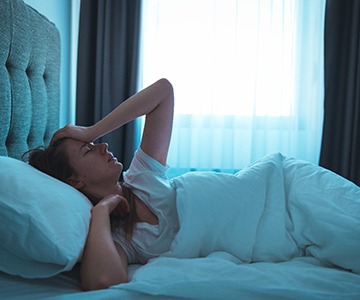
Sleep apnea is quite a widespread problem; in fact, it’s estimated that over 30 million people in the US alone have the condition, with many cases remaining completely undiagnosed and untreated! But sleep apnea doesn’t just rob you of sleep—it can affect your overall quality of life, meaning treatment is always warranted. Here at our practice, Dr. Dernick and our team deliver sleep apnea treatment that truly makes a difference—helping you and your loved ones get the rest you need to truly excel and live happily and healthily. If you have any questions or you’re ready to schedule a consultation, simply reach out today.
What Is Obstructive Sleep Apnea?
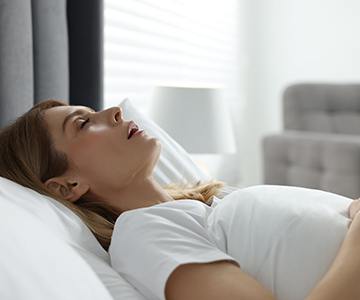
There are two types of sleep apnea: central sleep apnea occurs when the brain fails to send the proper signals to cause the body to breathe while it’s sleeping. Obstructive sleep apnea (OSA), on the other hand, is the most common form of the disorder, and it refers to when a person experiences pauses in their breathing at night due to tissues in the airway creating a blockage. A person with OSA might even stop breathing dozens or hundreds of times in a given night!
Causes of Obstructive Sleep Apnea
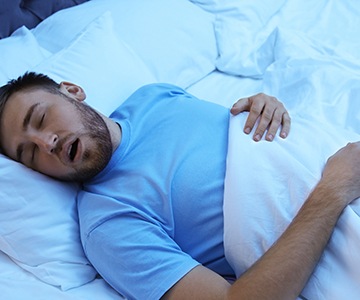
A number of different issues can cause airway blockages that often indicate sleep apnea:
- Excess fat, especially around the neck, can lead to obstructions in the upper airway.
- Anatomical abnormalities, such as enlarged tonsils or adenoids, can interfere with airflow.
- Smoking irritates the issues in the throat and can easily worsen OSA.
- Nasal congestion that makes it difficult to breathe through your nose, whether because of allergies or other problems, increases your risk of OSA.
Possible Complications of Obstructive Sleep Apnea
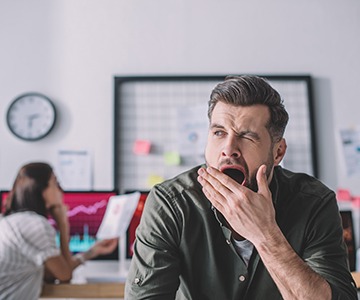
Untreated sleep apnea can have some pretty severe, life-altering effects, many of which can affect your ability to function day to day. Some of the complications that can occur include:
- Increased risk of drowsy driving
- Increased risk of stroke or heart attack
- High blood pressure (hypertension)
- Moodiness and irritability
- Chronic fatigue
- Bedwetting
- Loss of libido
- Regular headaches and migraines
When Should You See a Doctor?
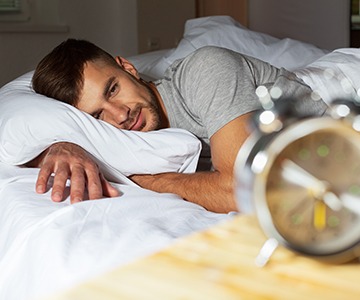
Knowing when to seek treatment for your sleep apnea may not always be obvious, especially if you don’t live with someone who can tell you if you snore or stop breathing during the night. However, if you or someone you love notices any of these symptoms, it’s best to schedule an appointment with us so we can determine an appropriate course of action:
- You snore loudly and frequently
- A loved one has observed you stop breathing while you’re sleeping
- You sometimes wake up gasping for air
- You always seem tired despite getting around 8 hours of sleep
Treatment Options for Obstructive Sleep Apnea
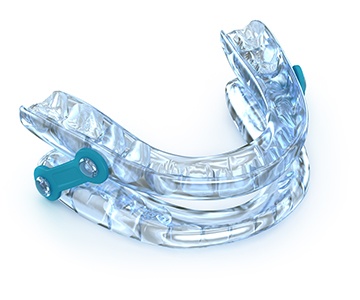
Sleep apnea is not something you have to endure needlessly—many types of treatment options exist that can improve your situation:
Oral Appliance Treatment
Oral appliance treatment has become very popular due to the portability, comfort, and convenience of these devices. They’re customized according to each patient’s oral and facial structures, and they help to shift the jaw to prevent the collapse of the soft tissues, keeping the airway open at night.
Continuous Positive Airway Pressure (CPAP)
CPAP therapy is what most people envision when talking about sleep apnea treatment. This method involves a mask that’s worn over the mouth and nose that is connected to the machine via a hose, which sends pressurized air to the patient to keep their airway open.
Combination Therapy
Combination therapy incorporates both CPAP and oral appliance treatment, and this method is known to reduce the number of times a person wakes up throughout the night as a result of obstructive sleep apnea. The CPAP is adjusted to a lower setting, and the oral appliance is worn simultaneously to help keep the airway open—plus, it means patients are less likely to be disturbed by their CPAP.
Sleep Apnea (Obstructive Sleep Apnea) FAQs
Does Everyone Who Snores Have Sleep Apnea?
Not necessarily. Because airway blockages do change how air flows through the body, snoring is a very common symptom of OSA. But not everyone who has sleep apnea snores, and not everyone who snores has sleep apnea.
The only way to know for sure whether you have OSA is to get a sleep test and see a qualified professional for diagnosis.
Will Oral Appliance Therapy Make CPAP Therapy Unnecessary?
It’s possible, but it will ultimately depend on the severity of your sleep apnea symptoms.
Most patients are able to stop using CPAP therapy once they start sleeping with an oral appliance. Those who benefit more from a combined therapy treatment plan are usually able to use their CPAP on a lower setting, reducing the noise the machine makes. So, either way, an oral appliance could improve your overall sleep experience!
Rest assured, our team will be fully committed to helping you find the best sleep apnea solution for you.
How Soon After Starting Sleep Apnea Treatment Will I Notice Improvement?
Many of our patients see positive results within the first couple of nights of following their sleep apnea treatment plan. That said, the timeline is a little different for everyone. Some patients find that it takes longer to adjust to using CPAP than it does an oral appliance for sleep apnea. Others simply need to practice a consistent sleep routine for a week or two.
To help you get an objective sense of how effective your treatment plan is, your sleep dentist in The Woodlands can facilitate another sleep test. If your sleep apnea episodes are less frequent than they were before, that’s a good sign!
How Should I Clean My Sleep Apnea Oral Appliance?
As soon as you remove your oral appliance in the morning, brush it gently with a soft-bristled toothbrush and rinse it under lukewarm water. Or, alternatively, let them soak in a sleep dentist-approved denture cleanser. Always store your appliance in a case when not in use. This helps mitigate bacteria accumulation and also protects your appliance from accidents.
Before you reinsert your appliance, be sure to give it another good rinse!
Can I Have Oral Appliance Therapy If I Grind My Teeth?
Absolutely – in fact, an oral appliance for sleep apnea could help protect your teeth from bruxism (grinding and clenching).
Since bruxism and sleep apnea often go hand-in-hand, oral appliances are specifically designed to endure excess strain. Your appliance will essentially act as a shield for your pearly whites and will help prevent the premature dental wear often associated with teeth grinding and clenching.
Just be sure to let your sleep dentist know you have bruxism so our team can plan accordingly!